• Login
Search Login

Search anything about Plant Lighting, Content, and More.

ZZ ‘Chameleon’

SCIENTIFIC NAME: Zamioculcas zamiifolia 'Chameleon'

KNOWN AS: Chameleon ZZ, Variegated ZZ

CLIMATE (LOCATION): East Africa | Tropical / Arid

DESCRIPTION: The Chameleon ZZ is a stunning, patented variegated variety of the ZZ plant. Its most unique feature is the way new growth emerges: the young stems and leaves appear in a bright, vibrant canary yellow. As the foliage matures over several months, it gradually transitions into a rich, deep emerald green. This "color-changing" effect gives the plant its name and provides a beautiful contrast between old and new growth.

Easy difficulty & pet toxic

ZZ ‘Chameleon’ Plant Care

Lighting

Light Requirement: Medium Light (Medium Indirect Light) to High Light (Bright Indirect Light)

While standard ZZ plants are famous for low-light tolerance, the Chameleon ZZ performs best in bright, indirect light. The extra light helps the plant produce that striking yellow new growth. Avoid direct afternoon sun, which can bleach the yellow leaves or scorch the dark green ones. It can survive in low light, but the color transition may be less dramatic.

Discover Our Grow Lights

SAVE 20%
Aspect™ Gen 2 LED Growlight
$160.00 $200.00

Color:

White Black
SAVE 15%
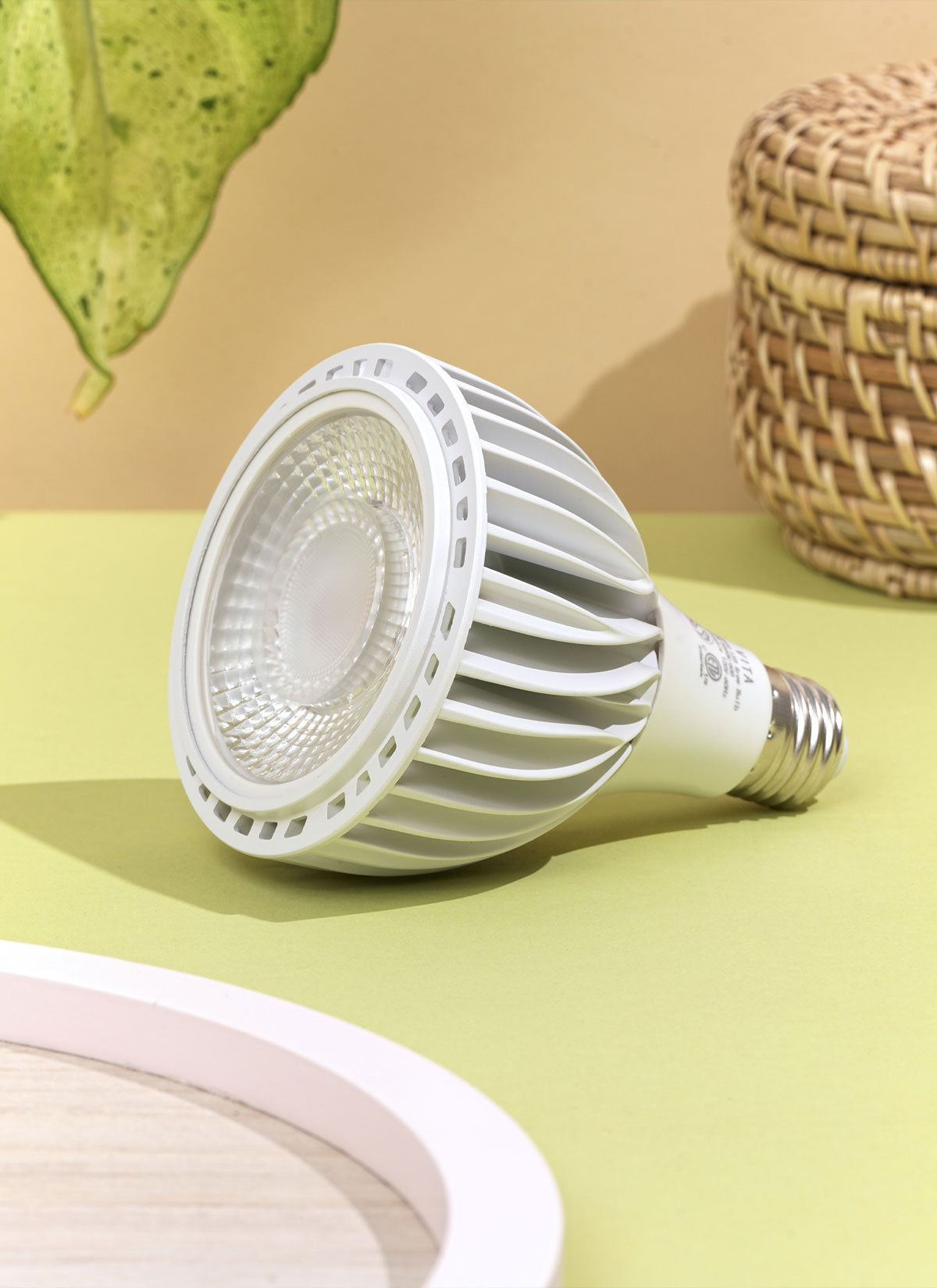
Vita™ Grow Light
$72.25 $85.00

Color:

White / Wide (60°) Black / Wide (60°)
SAVE UP TO 30%
Highland™ LED Track Light System
$195.50 - $518.00 $740.00

Color:

White / 1 light / Narrow (36 Degrees) Black / 1 light / Narrow (36 Degrees)
SAVE 20%
Grove™ LED Grow Light
$104.00 $130.00

Color:

Black White

Watering

Quick Tip: Allow soil to completely dry out before watering.

Like all ZZ varieties, the Chameleon has thick rhizomes (underground bulbs) that store water. Overwatering is the most common cause of death. Water roughly every 3–4 weeks depending on your home's light and temperature. If the stems feel soft or the leaves turn mushy and yellow, stop watering immediately and let the soil dry out.

Temperature

Preferred Temperature: 65º - 85º

This plant is very comfortable in standard home environments. It is not frost-hardy and should be kept away from cold drafts or air conditioning vents. If the temperature drops below 50°F, the plant can suffer cold shock and dropping stems.

Humidity

Preferred Humidity: 30 - 50%; Low/Moderate Humidity

The Chameleon ZZ is extremely "house-hardy." It does not require high humidity and thrives in the dry air common in most homes and offices. No misting or humidifiers are necessary.

Additional Plant Care

Propagation
Note: As a patented variety, commercial propagation is restricted, but you can propagate for personal use. Division: The easiest way is to separate the rhizomes when repotting. Leaf Cuttings: You can place a leaf in soil, but be warned: ZZ plants are notoriously slow to propagate from leaves, often taking a year to show significant growth.
Toxicity
Quick Warning: The Chameleon ZZ is toxic to humans and pets. It contains calcium oxalate crystals, which cause irritation, swelling, and pain if chewed or swallowed. Always wash your hands after handling the plant if you get any sap on your skin.
Repotting
This plant grows relatively slowly and prefers to be slightly crowded in its pot. When to Repot: Every 2–4 years. If the rhizomes are visibly pushing against the sides of the pot, it’s time. Choose a Pot: A pot 1 inch larger than the current one with excellent drainage. Repot: Use a fresh, gritty soil mix.
Pruning
Very little pruning is required for this plant. Maintenance: Simply cut off any old, yellowed, or damaged stems at the soil line with sterilized shears. Tip: Wipe the leaves occasionally with a damp cloth. Because the leaves are waxy, they catch dust easily, which can block light and dull their shine.
Fertilizing
The Chameleon ZZ is a very light feeder. What to Use: A balanced liquid fertilizer at half strength. When to Apply: Once in the spring and once in the summer. Do not fertilize in the winter when the plant is resting.
Soil
Excellent drainage is mandatory to prevent rhizome rot. Ideal Mix: A cactus or succulent mix. Recommended Blend: 1 part potting soil to 1 part perlite or pumice. This ensures the water flows right through and the roots stay aerated.

Hanging Heights

ZZ ‘Chameleon’ Lighting Requirements: Medium Light (Medium Indirect Light) to High Light (Bright Indirect Light)

The easiest way to bring houseplants into your home is to start with low-maintenance houseplants like the Snake plant, ZZ plant, Pothos, Heartleaf philodendron, and Peperomia, then arrange them at different heights so the room feels layered and alive. This guide covers which plants to choose, how to style them for a biophilic look, and what to do when your space is short on natural light.

Outdoor sunlight at midday can reach 10,000 to 12,000 foot-candles, while a room lit only by overhead fixtures often sits around 40 foot-candles or fewer. The trick to styling a grow light is matching its shape (a pendant, a lamp, a freestanding stand, a track, or a screw-in bulb) to your room's layout and your plants' light needs, so the fixture reads as decor first and plant care second.

The Monstera includes dozens of distinct species, and the name itself traces back to the Latin word for “monstrous,” a nod to the dramatic holes and splits that make these plants instantly recognizable. The monsteras you are most likely to meet indoors are Monstera deliciosa, Monstera adansonii, and a small group of variegated and silver-leaved varieties, each different enough to change how you care for them.