• Login
Search Login

Search anything about Plant Lighting, Content, and More.

ZZ 'Raven'

SCIENTIFIC NAME:  Zamioculcas zamiifolia 'Raven'

KNOWN AS: Raven ZZ Plant, Black ZZ Plant

CLIMATE (LOCATION): East Africa | Tropical / Subtropical

DESCRIPTION: The Raven ZZ Plant is a stunning cultivar of the classic ZZ plant, famous for its shiny, waxy leaves that emerge bright lime green and mature into a dramatic, near-black purple. This "Goth" houseplant grows from thick, potato-like rhizomes that store water, making it incredibly resilient and architecturally striking.

ZZ 'Raven' Plant Care

Lighting

Light Requirement: Medium Light (Medium Indirect Light) to High Light (Bright Indirect Light); Low Light Tolerant

The Raven ZZ is highly adaptable. While it is famous for surviving in low-light corners, its black color will be more intense and it will grow much faster in bright, indirect light. Avoid direct sunlight, as it can scorch the leaves and cause the dark pigment to fade or bleach.

Discover Our Grow Lights

SAVE 20%
Aspect™ Gen 2 LED Growlight
$160.00 $200.00

Color:

White Black
SAVE 15%
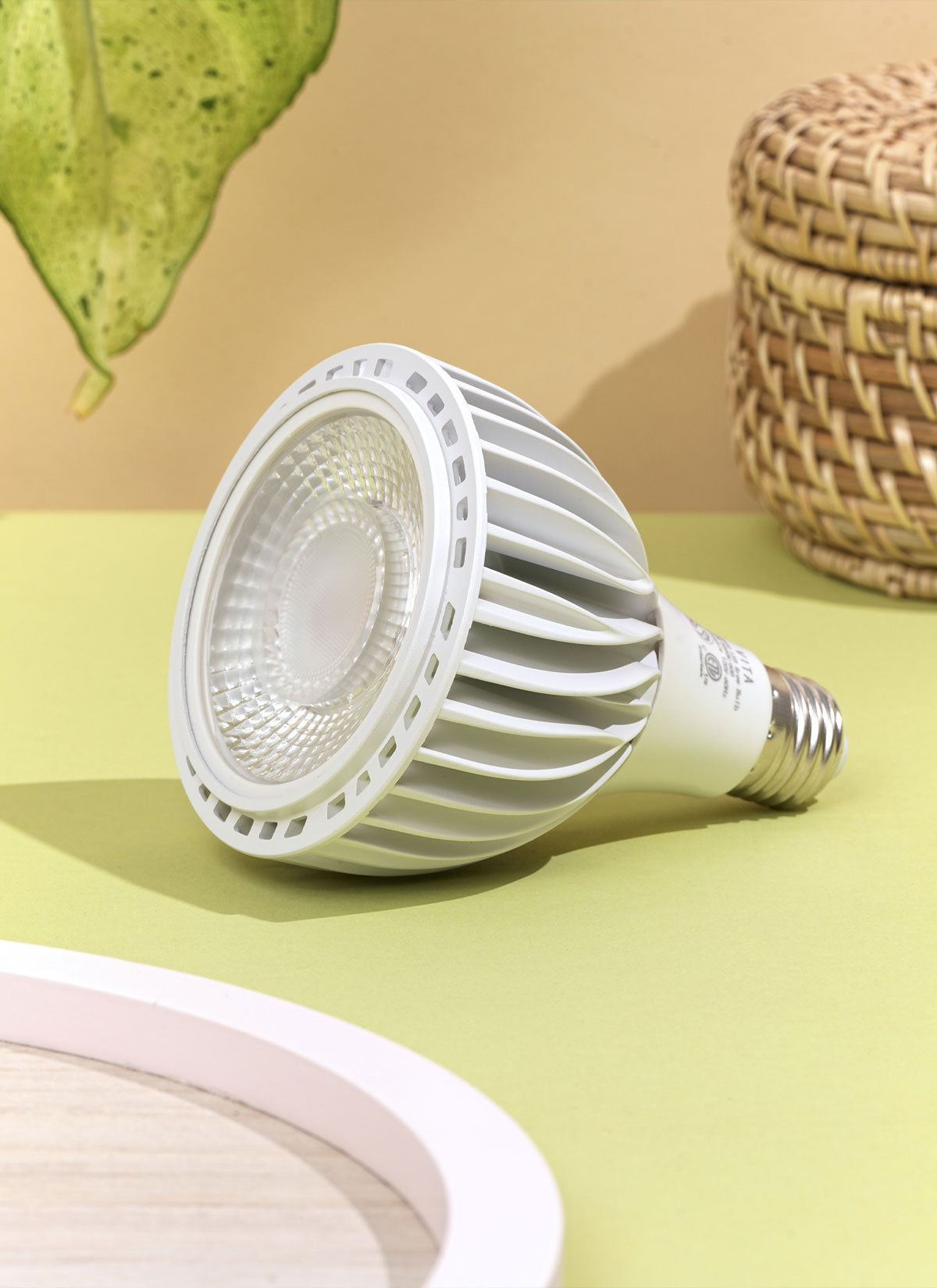
Vita™ Grow Light
$72.25 $85.00

Color:

White / Wide (60°) Black / Wide (60°)
SAVE UP TO 30%
Highland™ LED Track Light System
$195.50 - $518.00 $740.00

Color:

White / 1 light / Narrow (36 Degrees) Black / 1 light / Narrow (36 Degrees)
SAVE 20%
Grove™ LED Grow Light
$104.00 $130.00

Color:

Black White

Watering

Quick Tip: Allow soil to completely dry out before watering.

The Raven ZZ is a "set it and forget it" plant. Its underground rhizomes store a massive amount of water. Overwatering is the only way to kill this plant, as it quickly leads to rhizome rot. Water every 3–4 weeks in average conditions, and even less frequently during the winter.

Temperature

Preferred Temperature: 60º - 85º

The Raven ZZ thrives in standard household temperatures. It is not cold-hardy and should be kept away from drafts and temperatures below 50ºF. It prefers the same temperatures humans do, making it a perfect indoor companion.

Humidity

Preferred Humidity: 30 - 50%; Low/Moderate Humidity

Unlike many tropical plants, the Raven ZZ does not require extra humidity. It performs perfectly well in the dry air of most homes and offices. There is no need for misting or humidifiers for this plant.

Additional Plant Care

Propagation
The Raven ZZ can be propagated via stem cuttings, leaf cuttings, or division. Division: During repotting, you can carefully separate the potato-like rhizomes. This is the fastest way to get a new, large plant. Leaf Cuttings: You can place an individual leaf in soil or water, though this method is very slow and can take 6–9 months to form a new rhizome.
Toxicity
Quick Warning: The Raven ZZ is toxic to humans and animals. The plant contains calcium oxalate crystals. Ingestion causes irritation of the mouth and digestive tract. Additionally, the sap can cause skin irritation for some people, so it is best to wash your hands after handling or pruning.
Repotting
The Raven ZZ grows slowly and actually prefers to be a bit crowded in its pot. When to Repot: Only every 2–3 years, or when the rhizomes start to visibly "warp" or crack the plastic nursery pot. Choose a Pot: Use a pot with heavy drainage. Repot: Use a very well-draining soil mix. Be careful not to bury the rhizomes too deep; they should sit just below the soil surface.
Pruning
Pruning is rarely necessary except for aesthetic maintenance. Maintenance: Use clean, sharp shears to remove any yellowing or old stems at the base of the plant. Shaping: If a stem grows too long or leans too far, it can be removed to keep the plant's upright, architectural shape.
Fertilizer
The Raven ZZ is a light feeder. What to Use: A balanced, liquid fertilizer diluted to half strength. When to Apply: Fertilize only once or twice a year during the growing season (Spring/Summer). Avoid feeding in the winter.
Soil
Excellent drainage is the top priority for Raven ZZ soil. Ideal Mix: A cactus or succulent mix is actually better for a ZZ than standard potting soil. Recommended Blend: 3 parts potting soil, 1 part perlite, and 1 part sand or pumice. Important Tip: The soil must dry out quickly to keep the rhizomes healthy.

Hanging Heights

ZZ 'Raven' Lighting Requirements: Medium Light (Medium Indirect Light) to High Light (Bright Indirect Light); Low Light Tolerant

The easiest way to bring houseplants into your home is to start with low-maintenance houseplants like the Snake plant, ZZ plant, Pothos, Heartleaf philodendron, and Peperomia, then arrange them at different heights so the room feels layered and alive. This guide covers which plants to choose, how to style them for a biophilic look, and what to do when your space is short on natural light.

Outdoor sunlight at midday can reach 10,000 to 12,000 foot-candles, while a room lit only by overhead fixtures often sits around 40 foot-candles or fewer. The trick to styling a grow light is matching its shape (a pendant, a lamp, a freestanding stand, a track, or a screw-in bulb) to your room's layout and your plants' light needs, so the fixture reads as decor first and plant care second.

The Monstera includes dozens of distinct species, and the name itself traces back to the Latin word for “monstrous,” a nod to the dramatic holes and splits that make these plants instantly recognizable. The monsteras you are most likely to meet indoors are Monstera deliciosa, Monstera adansonii, and a small group of variegated and silver-leaved varieties, each different enough to change how you care for them.