• Login
Search Login

Search anything about Plant Lighting, Content, and More.

Marble Queen Pothos

SCIENTIFIC NAME: Epipremnum aureum 'Marble Queen

KNOWN AS:  Marble Queen Pothos, Marble Queen Devil's Ivy

CLIMATE (LOCATION): Southeast Asia | Tropical & Subtropical

DESCRIPTION: The Marble Queen Pothos is a highly popular vining plant cherished for its dramatic, heart-shaped leaves heavily variegated with creamy white and deep green. Its striking, painterly patterns make it a stunning addition to any hanging basket or shelf display.

Marble Queen Pothos Plant Care

Lighting

Light Requirement: High Light (Bright Indirect Light)
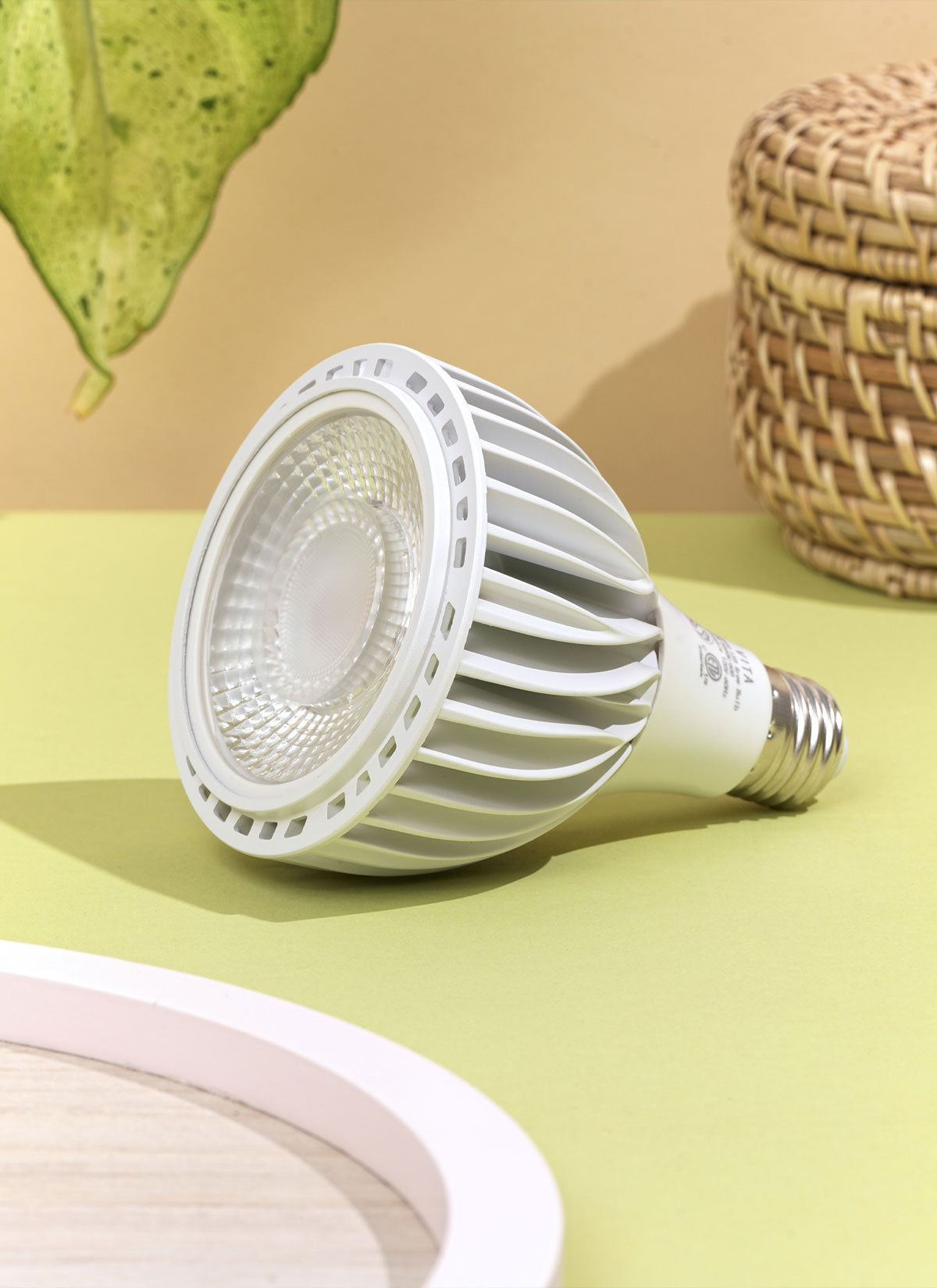
The Marble Queen Pothos needs bright, indirect light to thrive and maintain its high level of white variegation. If the light is too low, the white sections will revert to green, and the plant will lose its marble appearance. Conversely, avoid direct sunlight, as the intense light will burn the white parts of the leaves quickly.

Discover Our Grow Lights

SAVE 20%
Aspect™ Gen 2 LED Growlight
$160.00 $200.00

Color:

White Black
SAVE 15%
Vita™ Grow Light
$72.25 $85.00

Color:

White / Wide (60°) Black / Wide (60°)
SAVE UP TO 30%
Highland™ LED Track Light System
$195.50 - $518.00 $740.00

Color:

White / 1 light / Narrow (36 Degrees) Black / 1 light / Narrow (36 Degrees)
SAVE 20%
Grove™ LED Grow Light
$104.00 $130.00

Color:

Black White

Watering

Quick Tip: Allow soil to completely dry out before watering.

The Marble Queen Pothos is prone to root rot if overwatered, so the key is to let the soil dry out completely between thorough waterings. The plant will show signs of thirst by drooping slightly. Water deeply until the water runs from the pot’s drainage hole, then discard any excess. Reduce watering frequency in the fall and winter dormant season.

Temperature

Preferred Temperature: 65º - 85º

The Marble Queen Pothos prefers warm, stable temperatures, with the ideal range being between 65-85°F. As a tropical plant, it is sensitive to cold and should be kept away from cold drafts and sudden temperature changes.

Humidity

Preferred Humidity: 40 - 60%; Moderate Humidity

The Marble Queen Pothos appreciates moderate humidity, which is typical of most homes. While it will tolerate average household air, misting the leaves occasionally or placing the plant near a humidifier will help keep the leaf edges healthy and crisp.

Additional Plant Care

Propagation
The Marble Queen Pothos is easily propagated by stem cuttings. Use clean shears to cut a piece of vine that has a few leaves and at least one node, as this is where the new roots will form. The cutting can be rooted in a glass of water or directly into a moist potting mix, and new roots will develop quickly.
Toxicity
The Marble Queen Pothos is toxic to humans and animals. The plant contains calcium oxalate crystals, which can cause immediate irritation, swelling, and a burning sensation in the mouth and throat if ingested. It is important to keep the Marble Queen Pothos out of reach of children and pets.
Repotting
The Marble Queen Pothos is a fast-growing plant that may need to be repotted every 1-2 years once it has outgrown its container. The best time to repot is in the spring or summer when the plant is actively growing. Select a new pot that is slightly larger than the current one and ensure it has drainage holes. Use fresh, well-draining soil, and carefully place the plant in the new pot, filling in the sides with fresh soil.
Pruning
Marble Queen Pothos plants benefit from regular fertilization during the growing season. Use a balanced, water-soluble fertilizer diluted to half strength once a month during the spring and summer growing season. It is important to remember to not fertilize during the fall and winter months when the plant is dormant.
Fertilizer
Marble Queen Pothos plants benefit from regular fertilization during the growing season. Use a balanced, water-soluble fertilizer diluted to half strength once a month during the spring and summer growing season. It is important to remember to not fertilize during the fall and winter months when the plant is dormant.
Soil
The right soil is crucial for a healthy Marble Queen Pothos. The plant prefers a well-draining soil that is rich in organic matter. A good mix is a standard potting soil amended with perlite to improve drainage. An important tip is to always use a pot with a drainage hole to ensure excess water can escape and prevent root rot.

Hanging Heights

Marble Queen Pothos Lighting Requirements: High Light (Bright Indirect Light)

Succulents need six to eight hours of bright light a day to stay healthy, according to South Dakota State University Extension, but many of the spots homeowners love to style them, bookshelves, bathroom vanities, dark entryway consoles, fall well short of that. Styling succulents well and keeping them alive both come down to matching the display spot to the plant's actual light needs, not just picking a pretty vessel. This guide covers why succulents have become such a popular decor choice, how much light they truly need, the riskiest styling spots, how to catch warning signs early, and how to keep the look without sacrificing the plant.

Houseplants absorb light through chlorophyll to fuel photosynthesis, the type of light reaching a plant matters just as much as how much of it there is. Direct light means unfiltered sun rays landing straight on a plant's leaves, while indirect light has been filtered, diffused, or bounced off another surface before it reaches the plant. This guide breaks down what actually separates the two, why the difference determines whether a plant thrives or scorches, and how to tell which one you're actually working with at home.

Interior designers are increasingly building rooms around a single color family instead of contrasting accent colors, with 2026 palettes leaning toward layered neutrals and tonal spaces where walls, millwork, and textiles sit within the same color range to create depth and calm. Tonal decorating means choosing one color and exploring its full range, light to dark, matte to glossy, smooth to nubby, rather than pairing it against something else for contrast. This guide covers what actually defines a tonal room, why designers keep reaching for the approach, the most common way it goes wrong, and how lighting quietly determines whether it works at all.