• Login
Search Login

Search anything about Plant Lighting, Content, and More.

Hoya

SCIENTIFIC NAME: Hoya

KNOWN AS: Hoya, Wax Plant, Porcelainflower

CLIMATE (LOCATION): Asia | Tropical & Subtropical

DESCRIPTION: The Hoya, or Wax Plant, is a beautiful vining plant cherished for its thick, waxy leaves and unique, star-shaped clusters of flowers. These plants are often grown in hanging baskets, where their long stems can trail beautifully. They are also known for being low-maintenance and are great for beginners.

Hoya Plant Care

Lighting

Light Requirement: High Light (Bright Indirect Light)

Hoya plants thrive in bright, indirect light. The more light they receive, the faster they will grow and the more likely they are to produce their beautiful blooms. While they can tolerate a few hours of direct morning sun, direct afternoon sunlight can easily scorch their leaves.

Discover Our Grow Lights

SAVE 20%
Aspect™ Gen 2 LED Growlight
$160.00 $200.00

Color:

White Black
SAVE 15%
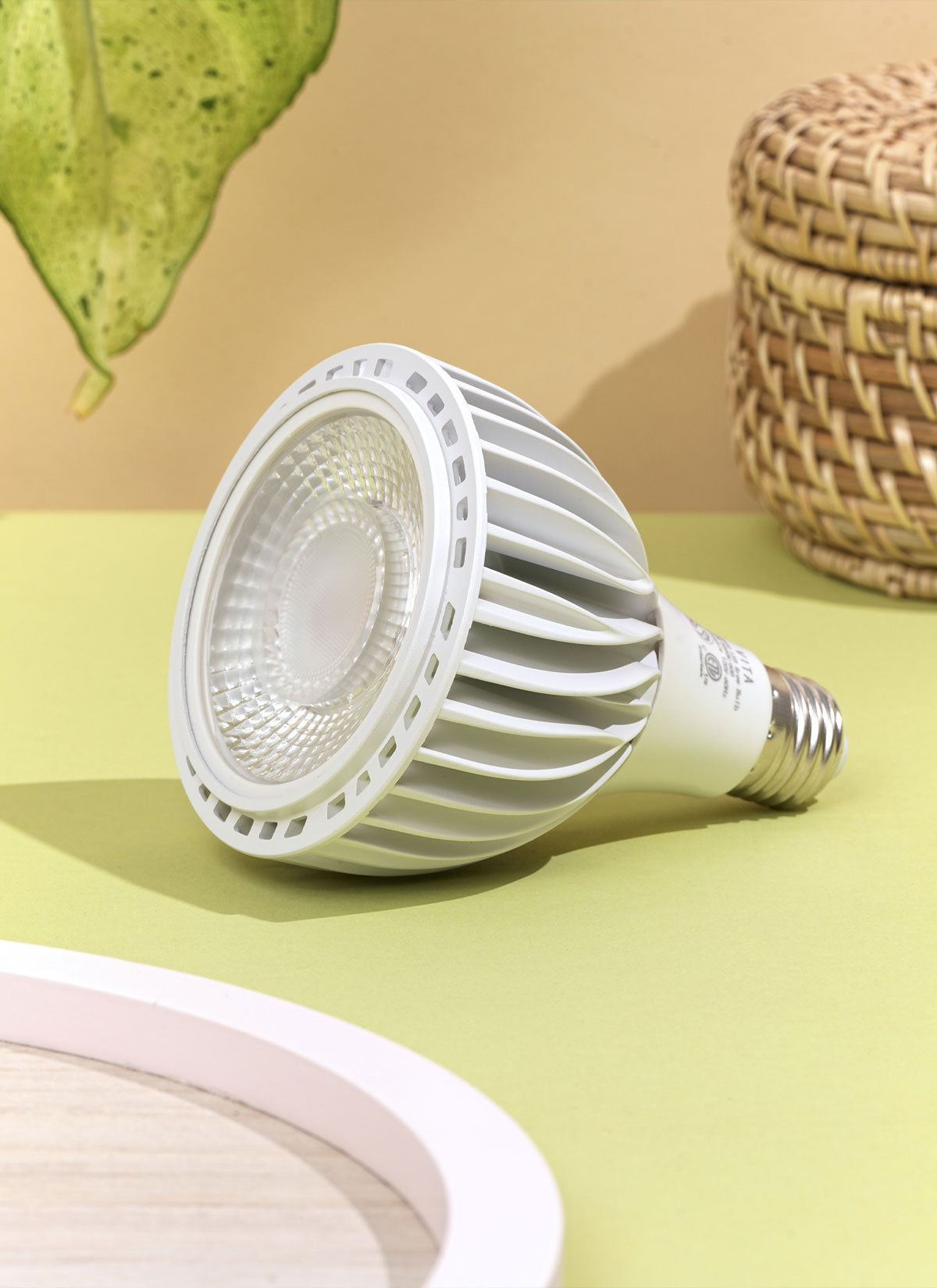
Vita™ Grow Light
$72.25 $85.00

Color:

White / Wide (60°) Black / Wide (60°)
SAVE UP TO 30%
Highland™ LED Track Light System
$195.50 - $518.00 $740.00

Color:

White / 1 light / Narrow (36 Degrees) Black / 1 light / Narrow (36 Degrees)
SAVE 20%
Grove™ LED Grow Light
$104.00 $130.00

Color:

Black White

Watering

Quick Tip: Allow soil to completely dry out before watering.

Hoya plants are drought-tolerant and are very sensitive to overwatering, which can lead to root rot. Water thoroughly and allow the soil to become completely dry before watering again. It is better to underwater than to overwater. Reduce watering in the fall and winter when the plant is dormant.

Temperature

Preferred Temperature: 60º - 85º

Hoya plants prefer warm, stable temperatures. The ideal range is between 60-85°F. Keep your plant away from cold drafts and sudden temperature changes, as these can cause stress and prevent the plant from flowering.

Humidity

Preferred Humidity: 40 - 60%; Moderate Humidity

The Hoya is a tropical plant that appreciates moderate to high humidity. You can increase the humidity around your plant by misting its leaves, using a humidifier, or placing the pot on a tray of pebbles with water.

Additional Plant Care

Propagation
Hoya plants are easily propagated by stem cuttings. Take a cutting with at least one or two leaf nodes. You can root the cutting in a glass of water, a moist potting mix, or even a specialized medium like LECA. Allow the cut end of the stem to form a callus for a day or two before rooting to prevent rot.
Toxicity
The Hoya plant is non-toxic to humans and animals. This plant is generally considered safe for households with children and pets. While it is non-toxic, consuming large amounts of any plant material can cause minor stomach upset.
Repotting
The Hoya plant is non-toxic to humans and animals. This plant is generally considered safe for households with children and pets. While it is non-toxic, consuming large amounts of any plant material can cause minor stomach upset.
Pruning
Pruning is a great way to maintain the shape and health of your Hoya. Trim any dead or damaged stems or leaves. You can also prune to control the length of the vines. Do not prune the peduncles (the spurs where flowers have grown). The plant will re-bloom from the same spot year after year.
Fertilizing
Hoya plants are not heavy feeders. A balanced, water-soluble fertilizer diluted to half strength is ideal. A fertilizer higher in phosphorus can encourage blooms. Fertilize once a month during the spring and summer growing season. Do not fertilize during the fall and winter.
Soil
The right soil is crucial for a healthy Hoya. The plant requires a well-draining, airy soil mix. A good mix is potting soil amended with perlite or orchid bark to improve drainage. Always use a pot with a drainage hole to ensure excess water can escape.

Hanging Heights

Hoya Lighting Requirements: High Light (Bright Indirect Light)

White fuzz or dark smudges on a terracotta pot are one of the most common things plant owners search for, and the good news is that it is almost always easy to explain and even easier to fix.

Succulents need six to eight hours of bright light a day to stay healthy, according to South Dakota State University Extension, but many of the spots homeowners love to style them, bookshelves, bathroom vanities, dark entryway consoles, fall well short of that. Styling succulents well and keeping them alive both come down to matching the display spot to the plant's actual light needs, not just picking a pretty vessel. This guide covers why succulents have become such a popular decor choice, how much light they truly need, the riskiest styling spots, how to catch warning signs early, and how to keep the look without sacrificing the plant.

Houseplants absorb light through chlorophyll to fuel photosynthesis, the type of light reaching a plant matters just as much as how much of it there is. Direct light means unfiltered sun rays landing straight on a plant's leaves, while indirect light has been filtered, diffused, or bounced off another surface before it reaches the plant. This guide breaks down what actually separates the two, why the difference determines whether a plant thrives or scorches, and how to tell which one you're actually working with at home.