• Login
Search Login

Search anything about Plant Lighting, Content, and More.

Monstera Dubia

SCIENTIFIC NAME: Monstera dubia

KNOWN AS: Shingle Plant, Monstera Dubia

CLIMATE (LOCATION): Central and South America | Tropical Rainforest

DESCRIPTION: The Monstera dubia is a fascinating, metamorphic aroid famous for its extreme "shingling" habit. As a juvenile plant, its small, heart-shaped leaves feature a striking silver-and-green variegation. It grows flat against whatever surface it climbs, laying its leaves completely flush like roof shingles. However, once it climbs high enough into bright light, it transforms into its mature form: the leaves lose their silver variegation, grow massive (up to 2 feet long), and develop large fenestrations (slits) similar to a standard Monstera deliciosa.

Monstera Dubia Plant Care

Lighting

Light Requirement: High Light (Bright Indirect Light)

The Goal: Provide plenty of bright, filtered sunlight. An east-facing window or a spot a few feet back from a south-facing window is ideal.

Low Light: It can survive in lower light, but its growth will slow to a crawl. More importantly, it will never mature or develop large leaves; instead, the vine will become "leggy" as it stretches for a light source.

Direct Sun: Avoid harsh afternoon sun. Direct rays will easily bleach the delicate silver variegation and burn the flat, thin foliage.

Discover Our Grow Lights

SAVE 20%
Aspect™ Gen 2 LED Growlight
$160.00 $200.00

Color:

White Black
SAVE UP TO 15%
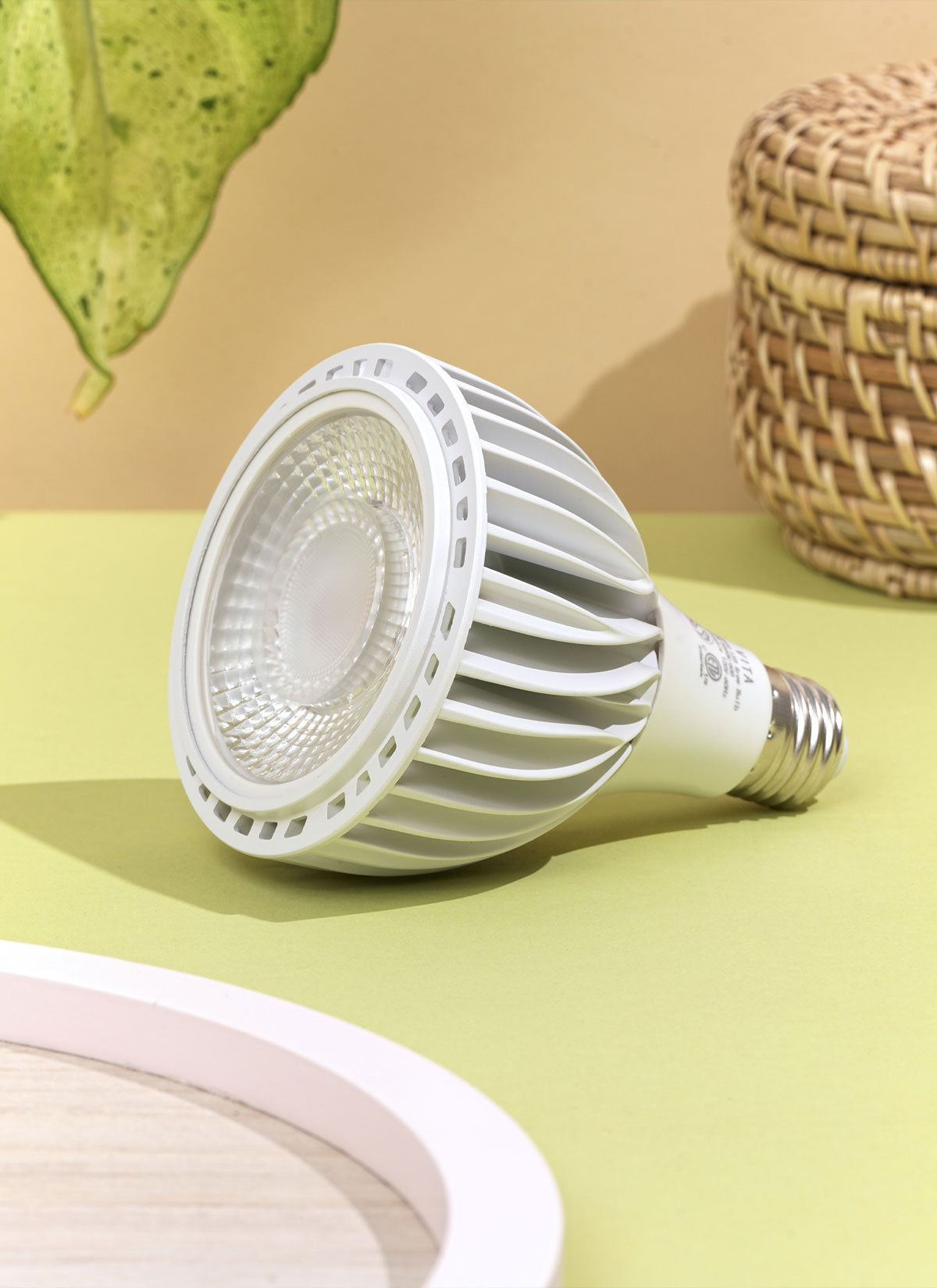
Vita™ Grow Light
$72.25 - $76.50 $85.00

Color:

White / Wide (60°) Black / Wide (60°)
SAVE UP TO 30%
Highland™ LED Track Light System
$195.50 - $518.00 $740.00

Color:

White / 1 light / Narrow (36 Degrees) Black / 1 light / Narrow (36 Degrees)
SAVE 20%
Grove™ LED Grow Light
$104.00 $130.00

Color:

Black White

Watering

Quick Tip: Water when the top 1-2 inches of soil are dry.

The Routine: Water the soil thoroughly until it runs out of the drainage holes. Because it is an epiphyte, its roots need oxygen just as much as water.

The Twist: Since this plant climbs a vertical support, you must also moisten its wooden board or moss pole. The aerial roots tucked behind the flat leaves rely on this ambient moisture to anchor the plant and absorb nutrients.

Overwatering: If the soil remains soggy, it will quickly trigger root rot, causing the lower shingled leaves to turn yellow and drop.

Temperature

Preferred Temperature: 65º - 85º

Stability: This Central/South American native loves consistent warmth. Keep it away from chilly drafts, open doors in winter, or direct air conditioner blasts.

The Limit: Growth will stall if the temperature drops below 60°F. It is highly sensitive to frost and cold damage.

Humidity

Preferred Humidity: 60 - 80%; High Humidity

The Environment: While a juvenile plant can tolerate average home humidity for a short time, it truly requires high humidity to thrive and mature.

Dry Air Signs: In dry air, the edges of the silver leaves will turn brown and crispy, and the aerial roots will fail to grip its climbing board.

The Solution: A humidifier running nearby or placing the plant in a dedicated greenhouse cabinet is highly recommended.

Additional Plant Care

Propagation
Because it grows in a clear, sequential chain along a flat surface, propagation is very straightforward. How to Propagate: Take a stem cutting by snipping the vine between two shingled leaves. Ensure your cutting has at least one node with healthy aerial roots. Rooting: Place the cutting flat onto a bed of damp sphagnum moss or perlite inside a humid propagation box. It roots quickly when kept warm and damp.
Toxicity
Quick Warning: Toxic to cats, dogs, and humans. Contains calcium oxalate crystals. If chewed or swallowed, it will cause intense mouth irritation, swelling of the tongue and lips, excessive drooling, and difficulty swallowing. Keep it out of reach of pets.
Repotting
When to Repot: Every 1–2 years or when the roots begin tightly wrapping inside the pot. The Climbing Support: This is non-negotiable. Unlike trailing plants, a Monstera dubia must have a flat cedar board, moss pole, or cork plank inserted into the pot from day one. Without a flat surface to press against, it cannot grow properly. Upgrading: When the plant reaches the top of its board, you don't necessarily have to repot the base; you can simply attach a second board to the top of the first one.
Pruning
Grooming: Use sterilized shears to snip away any damaged or yellowing leaves near the base of the wood. Cleaning: The flat, shingled leaves can accumulate dust over time. Gently wipe the foliage down with a damp microfiber cloth once a month to keep the silver variegation clear and help the plant photosynthesize efficiently.
Fertilizer
Quick Tip: Feed regularly during the growing season to fuel its climbing transformation. What to Use: A balanced liquid houseplant fertilizer diluted to half strength. When to Apply: Every 2–3 weeks during the active growing season (Spring and Summer). Winter: Stop fertilizing in the winter months when the plant enters dormancy.
Soil
Heavy, dense potting soils will smother the roots of this climbing epiphyte. Ideal Mix: A chunk-heavy, highly aerated Aroid mix. Recommended Blend: 1 part standard potting soil, 1 part orchid bark, 1 part perlite, and a handful of horticultural charcoal. This allows water to flush through instantly while keeping oxygen circulating around the root system.

Hanging Heights

Monstera Dubia Lighting Requirements: High Light (Bright Indirect Light)

A Pink Princess Philodendron isn't the plant you want to experiment on with a pair of dull scissors and no plan. Between the price tag and the fact that its pink coloring can be a little unpredictable, it's fair to feel more cautious cutting into this one than you would a pothos. The good news is that propagating a Pink Princess is genuinely simple once you understand the one thing that trips most people up: the pink pattern on your cutting isn't guaranteed to look exactly like the parent plant.

If your plant hasn't put out a new leaf in a while, or the leaves it is growing are small, pale, and spaced far apart on a stretched-out stem, it can feel like it's just stalled for no reason. It's not. Slow or leggy growth is almost always your plant telling you something specific, and once you know what to look for, the fix is usually simple.

If your Monstera's new leaves keep coming in solid, round, and nothing like the dramatic split leaves you've seen on other people's plants, you're probably wondering what you're doing wrong. Likely nothing. Leaf splitting, technically called fenestration, depends on a handful of specific conditions coming together, and when even one of them isn't quite right yet, your Monstera will keep producing solid leaves until it is.