• Login
Search Login

Search anything about Plant Lighting, Content, and More.

Philodendron ‘Black Cardinal’

SCIENTIFIC NAME: Philodendron erubescens 'Black Cardinal'

KNOWN AS: Black Cardinal Philodendron, Maroon Philodendron

CLIMATE (LOCATION): South America | Tropical Rainforest

DESCRIPTION: The Black Cardinal is a stunning self-heading (non-climbing) Philodendron known for its dramatic, large, spade-shaped leaves. New growth emerges a vibrant burgundy-red, eventually maturing into a deep, glossy brownish-black. Unlike many vining Philodendrons, this variety grows in a tight, bushy rosette, making it an excellent floor plant or tabletop centerpiece for those who love "goth" tropicals.

Philodendron ‘Black Cardinal’ Plant Care

Lighting

Light Requirement: Medium Light (Medium Indirect Light) to High Light (Bright Indirect Light); Low Light Tolerant

To keep the leaves as dark as possible, provide bright, indirect light. While it can tolerate medium light, the "black" coloration will fade to a duller green if it doesn't get enough energy. Avoid direct sunlight, which will scorch the leaves and cause the deep pigments to bleach or turn yellow.

Discover Our Grow Lights

BEST SELLER
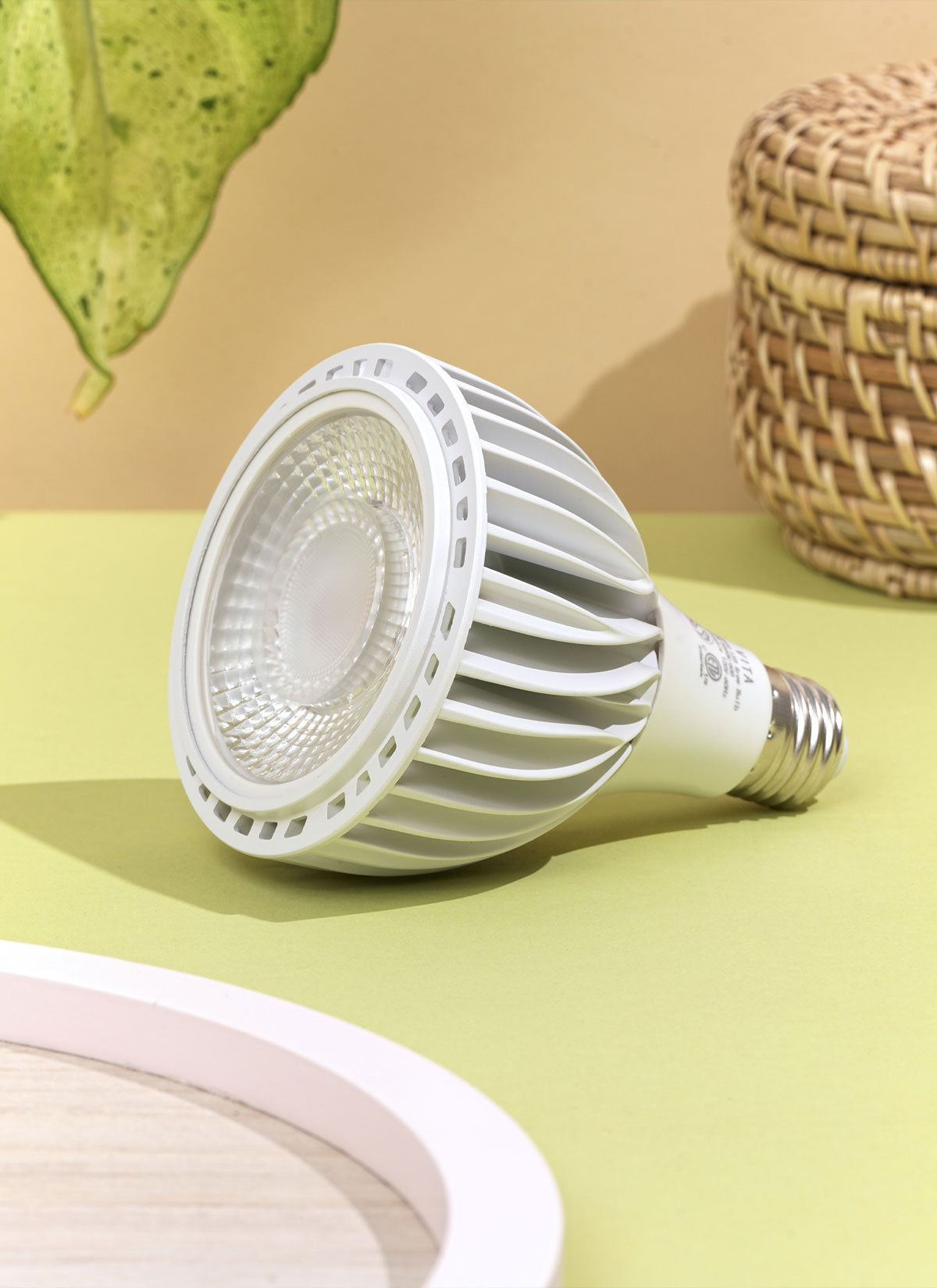
Vita™ Grow Light
$85.00

Color:

White / Wide (60°) Black / Wide (60°)
Highland™ LED Track Light System
$230.00 - $740.00

Color:

White / 1 light / Narrow (36 Degrees) Black / 1 light / Narrow (36 Degrees)

Watering

Quick Tip: Water when the top 50% of the soil is dry. Do not allow the plant to sit in standing water.

The Black Cardinal is relatively drought-tolerant but prefers consistent moisture. Use the "soak and dry" method: water thoroughly until it drains out the bottom, then wait for the soil to dry out halfway. Overwatering will lead to root rot, which often shows up as yellowing lower leaves or soft, mushy stems.

Temperature

Preferred Temperature: 65º - 85º

This plant loves warmth. Keep it in a stable environment away from cold drafts, air conditioners, or heaters. If temperatures drop below 60°F, growth will slow significantly. It is not frost-tolerant and should be kept indoors during winter months in temperate climates.

Humidity

Preferred Humidity: 50 - 60%; Moderate Humidity

While it is more adaptable to average home humidity than many other Philodendrons, it will produce larger, shinier leaves in higher humidity. If your home is very dry, the leaves may have trouble unfurling from their sheaths. Using a humidifier or grouping it with other plants is beneficial.

Additional Plant Care

Propagation
Because it is a self-heading variety (it doesn't have long vines), propagation is slightly different than a Heartleaf Philodendron. How to Propagate: The most common method is through stem cuttings (if a clear stem has developed) or by removing basal offsets (pups) that grow from the base of the mother plant. Note: Many growers also use air layering for larger specimens to ensure root development before the cut is made.
Toxicity
Quick Warning: The Black Cardinal is toxic to humans and pets. It contains calcium oxalate crystals, which cause oral irritation, swelling of the tongue and throat, and vomiting if ingested. Keep it on a sturdy table or stand out of reach of curious pets.
Repotting
This plant grows at a moderate pace and usually needs a new pot every 1–2 years. When to Repot: When roots begin to circle the bottom of the pot or growth seems to stall. Choose a Pot: Use a pot 1–2 inches larger with excellent drainage. Repot: Use a fresh, airy aroid mix. Ensure the plant is not buried deeper than it was previously to avoid stem rot.
Pruning
Pruning is rarely needed except for maintenance. Maintenance: Use clean, sharp shears to remove any old, yellowing, or damaged leaves at the base of the stem. Cleaning: Because the leaves are so large and dark, they show dust very easily. Wipe them down once a month with a damp cloth to keep them shiny and help the plant "breathe."
Fertilizer
Black Cardinal is a moderate feeder. What to Use: A balanced liquid fertilizer diluted to half strength. When to Apply: Once a month during the spring and summer. Do not fertilize in the winter.
Soil
A "chunky" soil mix is vital for root oxygenation. Ideal Mix: A well-draining aroid mix. Recommended Blend: 1 part potting soil, 1 part orchid bark, and 1 part perlite. This prevents the heavy, large leaves from being supported by waterlogged soil.

Hanging Heights

Philodendron ‘Black Cardinal’ Lighting Requirements: Medium Light (Medium Indirect Light) to High Light (Bright Indirect Light); Low Light Tolerant

If you have ever walked into a room and found your peace lily slumped dramatically over the side of its pot, you know the feeling. One day it looks perfectly happy. The next, every leaf is drooping like it gave up overnight.

Take a breath. This is one of the most normal things a peace lily does, and it is actually the plant trying to help you.

Peace lilies are known for being low-maintenance, but they are also famous for being dramatic communicators. When they need water, they tell you, loudly and visually, instead of quietly wilting the way some other houseplants do. Once you understand what that drooping actually means, watering a peace lily stops feeling like guesswork.


Enclosed plant cabinets can hold humidity levels well above the 30 to 40 percent typically found in a home, and that stable moisture is exactly what many finicky houseplants have been missing indoors. The best plant cabinets group humidity-loving foliage like Ferns, Calathea, and Fittonia together, add a dedicated grow light to replace what glass doors block out, and leave room for airflow so humidity never tips into mold. This guide covers which plants actually belong in a cabinet, how to arrange them by height and light need, and how to light the whole setup without balancing a lamp awkwardly on a shelf.

Interior coverage this year keeps circling back to the ceiling, with color, pattern, and architectural detail turning blank overhead space into what some designers now call the room's fifth wall. A pendant grow light is already a ceiling object, so that shift means the light can finally join the composition instead of hanging beneath it like an apology. This guide covers the fifth wall trend, composing a pendant and trailing plants as one overhead layer, why ceiling height changes what fixture you need, and how to match a fixture to your own ceiling.