• Login
Search Login

Search anything about Plant Lighting, Content, and More.

Dracaena ‘Cintho’

SCIENTIFIC NAME: Dracaena fragrans 'Cintho'

KNOWN AS: Cintho Dracaena, Cintho Corn Plant

CLIMATE (LOCATION): Horticultural Hybrid | Tropical Africa (Parentage)

DESCRIPTION: The 'Cintho' is a sophisticated, high-contrast cultivar of the classic Corn Plant. It features broad, arching leaves that grow in a rosette pattern. The foliage is characterized by a striking creamy-yellow to lime-green center stripe bordered by a deep, dark forest green. It typically grows on a thick, woody trunk (cane) and provides a clean, tropical-modern look that is much more structural than the standard D. massangeana.


Dracaena ‘Cintho’ Plant Care

Lighting

Light Requirement: High Light (Bright Indirect Light)
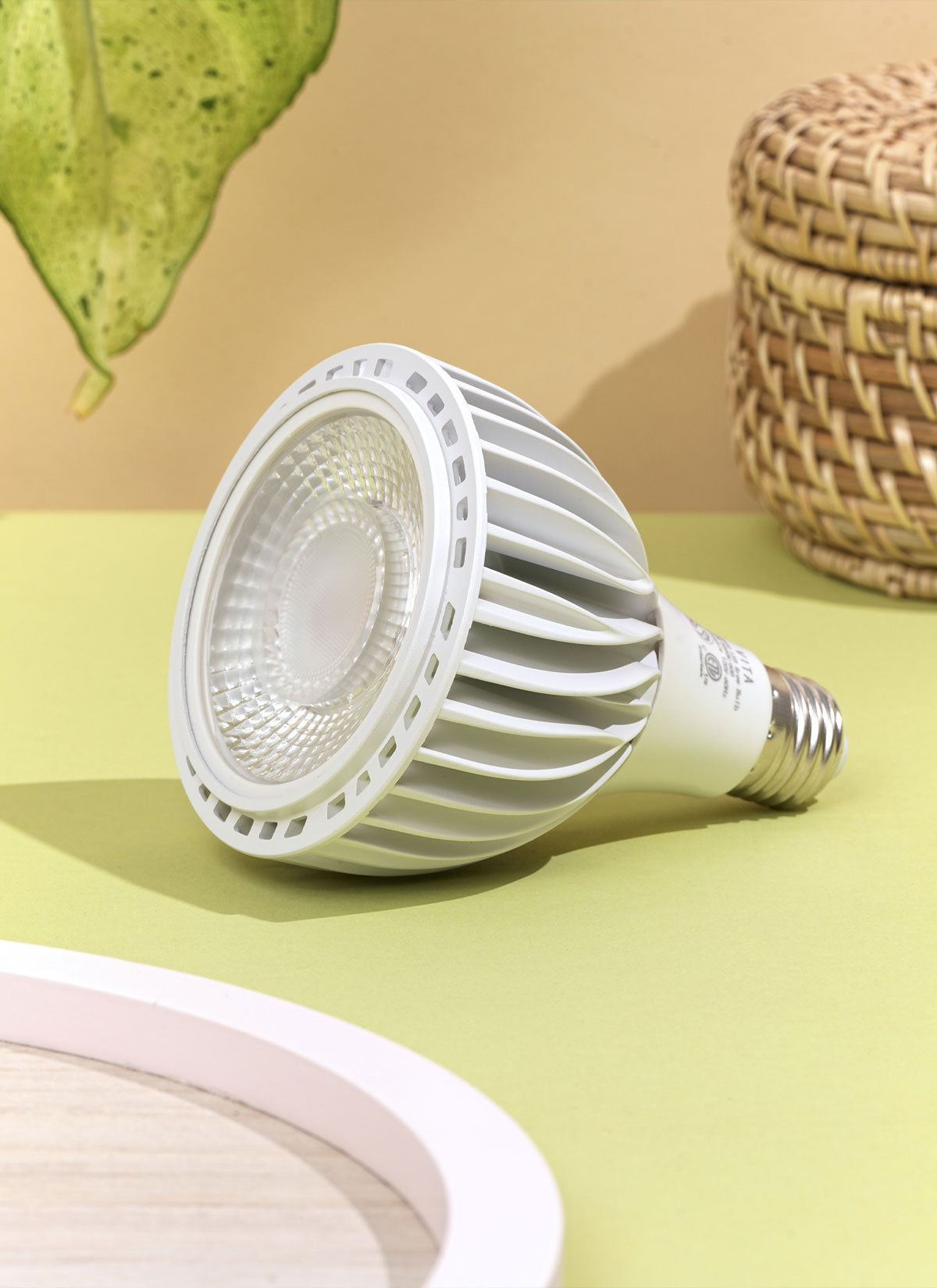
While Dracaenas are often sold as "low light" plants, the 'Cintho' needs a bit more to keep its center stripe bright.

The Goal: Bright, filtered light. This keeps the variegation crisp and the growth tight.

Low Light: It is very tolerant of lower light levels, making it a favorite for office corners. However, the yellow center will gradually fade to a duller lime green, and the leaves will grow thinner.

Direct Sun: Avoid midday sun. Direct rays will bleach the pale centers of the leaves and cause brown, paper-dry burn spots.

Discover Our Grow Lights

BEST SELLER
Vita™ Grow Light
$85.00

Color:

White / Wide (60°) Black / Wide (60°)
Highland™ LED Track Light System
$230.00 - $740.00

Color:

White / 1 light / Narrow (36 Degrees) Black / 1 light / Narrow (36 Degrees)

Watering

Quick Tip: Water when the top 50–75% of the soil is dry. Sensitive to fluoride.

Quick Tip: Water when the top 50–75% of the soil is dry. Sensitive to fluoride.

The Routine: This plant stores water in its thick woody trunk. Overwatering is the most common cause of death. If the soil is constantly wet, the trunk will become soft/mushy (trunk rot).

The Water Issue: Like all Dracaenas, 'Cintho' is sensitive to fluoride and salts in tap water.

The Solution: Use distilled, rain, or filtered water. If you see brown "rust" spots on the yellow parts of the leaf or brown tips, it is likely a reaction to the tap water.

Temperature

Preferred Temperature: 65º - 80º

The Dragon Tree loves a steady, warm environment.

The Limit: It is not frost-tolerant. If temperatures drop below 55°F, you may see the leaves begin to droop or drop off.

Stability: Keep it away from AC vents or heaters, as sudden temperature fluctuations can cause leaf drop.

Humidity

Preferred Humidity: 40 - 60%; Moderate Humidity

This is a very resilient plant when it comes to humidity.

Dry Air: It handles average home humidity perfectly well. If your home is exceptionally dry during the winter, you may notice the very tips of the leaves turning brown. A pebble tray or a humidifier can help, but it’s rarely a life-or-death issue for this species.

Additional Plant Care

Propagation
Stem Cuttings: You can cut a section of the cane (trunk) or a leafy top and root it in water or moist soil. Note: The 'Cintho' is a slow grower, so propagation takes patience. It can take several months for a new root system to establish.
Toxicity
Quick Warning: Toxic to cats and dogs. Contains saponins. In cats, it can cause dilated pupils, vomiting, and drooling. In dogs, it causes digestive upset and loss of appetite. Keep this plant where pets cannot reach the foliage.
Repotting
When to Repot: Only every 2–3 years. They have a relatively small root system and don't mind being slightly root-bound. The Pot: Ensure the pot is heavy enough to stabilize the plant, as it can become top-heavy. Soil: Ensure the pot has excellent drainage holes.
Pruning
Managing Height: If it gets too tall for your ceiling, you can cut the trunk. It will eventually sprout new leafy heads just below the cut. Grooming: Remove yellowing or brown lower leaves by pulling them downward gently. Cleaning: The broad leaves are dust magnets. Wipe them once a month with a damp microfiber cloth to keep the plant healthy and the variegation looking sharp.
Fertilizer
Quick Tip: Feed very lightly; Dracaenas have a slow metabolism. What to Use: A balanced liquid houseplant fertilizer diluted to half strength. When to Apply: Once a month during the active growing season (Spring and Summer). Winter: Do not fertilize in the winter. The minerals will just sit in the soil and can cause root burn.
Soil
Ideal Mix: A well-draining, loose potting mix. Recommended Blend: 2 parts potting soil to 1 part perlite or coarse sand. This ensures the roots get plenty of oxygen and prevents the soil from staying too soggy.

Hanging Heights

Dracaena ‘Cintho’ Lighting Requirements: High Light (Bright Indirect Light)

The smartest long-term move for a plant lighting setup is one fixture engineered to run for a decade, not three you'll end up replacing within a few years. This guide covers what's driving the shift toward buying fewer, better home pieces, how to work out what a light fixture really costs you over time, and how to choose one you won't be shopping to replace next season.

The most useful way to design a room's lighting isn't picking one fixture at one brightness and leaving it there, it's building a light plan that shifts through the day the way daylight itself does: neutral and bright at midday, warm and low by evening. This guide covers how that daily arc works, what the research says about timing and color, and which grow lights and simple controls make the shift automatic instead of a nightly chore.

The number that decides how true your room's colors look under a grow light is its CRI, or color rendering index, and it affects everything from your throw pillows to your dining table finish. This guide covers what CRI actually measures, how it changes the way textiles and wood tones read in your home, and how to pick and place a high-CRI grow light so your plants and your decor both look right.